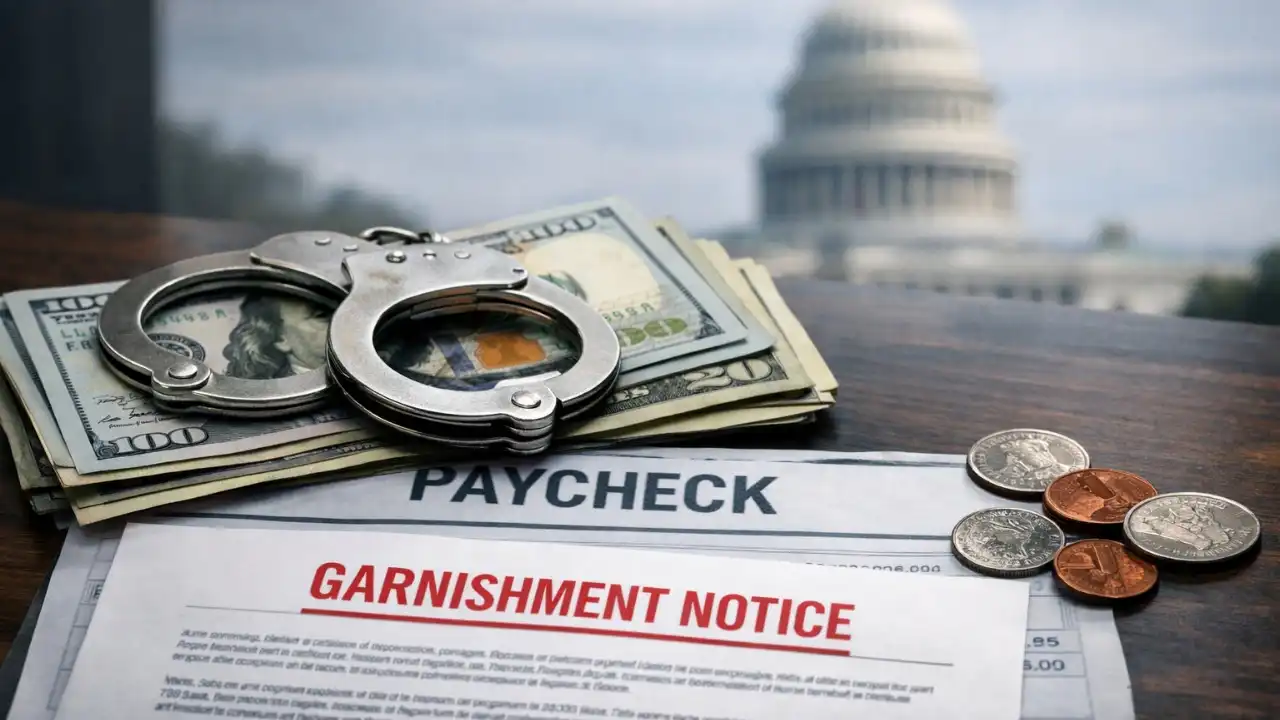
Federal Wage Garnishments Begin January 2026: Starting in January 2026, the federal government has initiated wage garnishments for certain individuals who owe specific debts. Understanding whether you are affected, what debts qualify, and how garnishments are applied is crucial to protect your income and plan your finances.
What Federal Wage Garnishment Means
Wage garnishment occurs when the federal government legally withholds a portion of your paycheck to repay debts such as unpaid taxes, federal loans, or child support. While Social Security and other protected income sources are mostly exempt, garnishment can apply to wages, bonuses, or other earned income.

Who Is Likely Affected
Individuals who have outstanding federal debts, unpaid taxes, defaulted student loans, or delinquent child support obligations may be subject to garnishment. Employers are required to comply with federal notices and deduct the specified amount from employees’ paychecks until the debt is resolved.
How to Check If You’re on the List
Beneficiaries can verify if they are subject to garnishment by reviewing official correspondence from the Treasury Department, IRS, or other federal agencies. Notifications typically include the debt amount, percentage of wages to be garnished, and start date. Staying informed and reviewing these notices ensures you know your rights and obligations.

Limits and Protections
Federal law limits the percentage of wages that can be garnished. Generally, a portion of your disposable income is protected, and garnishment is only applied to debts legally authorized by federal regulations. Consulting a financial advisor can help you understand the garnishment limits and how to manage remaining income.
Steps to Take If Affected
If your wages are garnished, consider the following steps: confirm the debt amount, verify the legitimacy of the notice, and communicate with the issuing federal agency. In some cases, repayment plans, settlements, or adjustments may be possible to reduce financial strain.

Conclusion: The federal wage garnishments starting January 2026 impact individuals with unpaid federal debts, including taxes, student loans, and child support. By checking official notifications, understanding your rights, and staying proactive, you can manage your income and avoid surprises in your paycheck.
Disclaimer: This article is for informational purposes only. Garnishment rules, limits, and affected debts are subject to change. Individuals should consult the IRS, Treasury Department, or a financial advisor for official guidance and personalized advice.